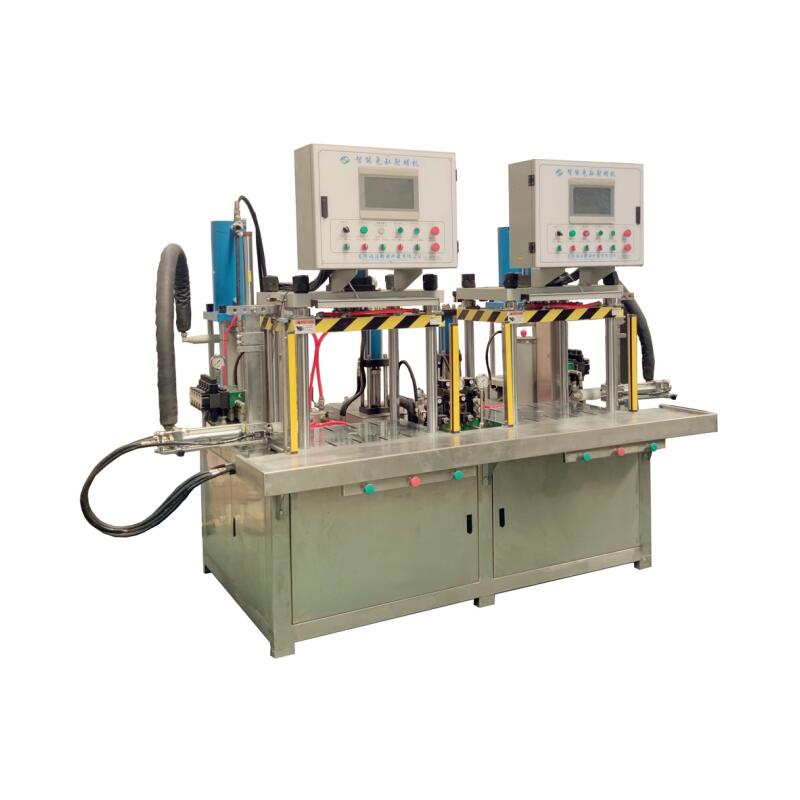
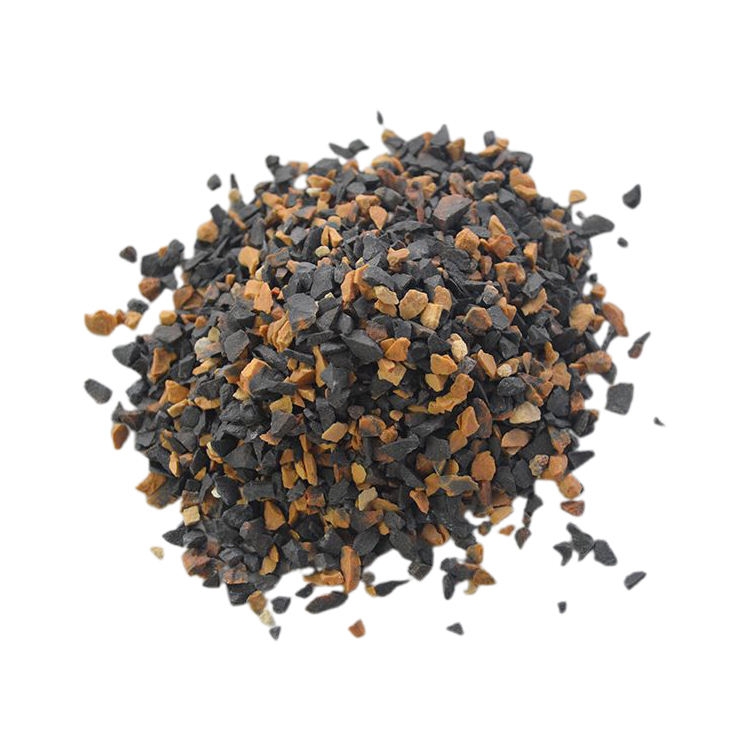
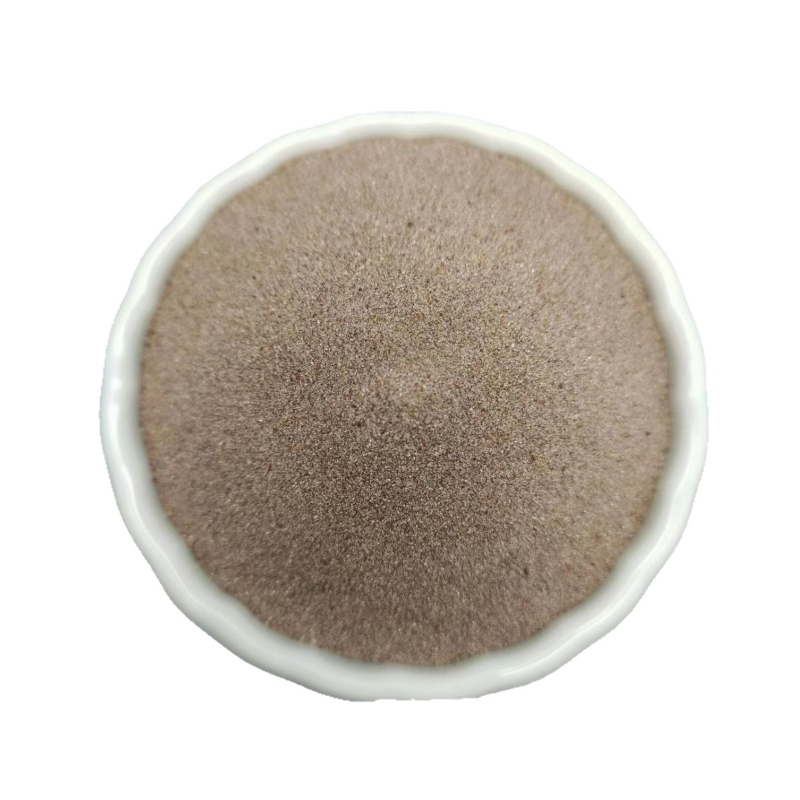
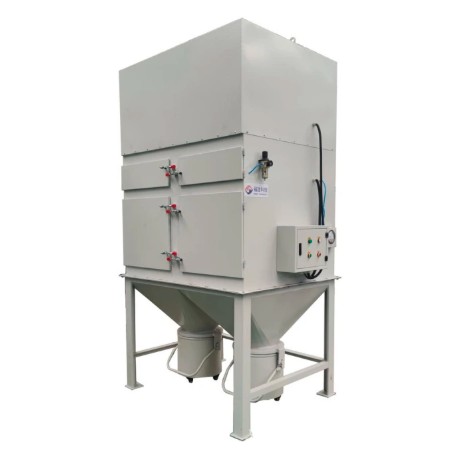
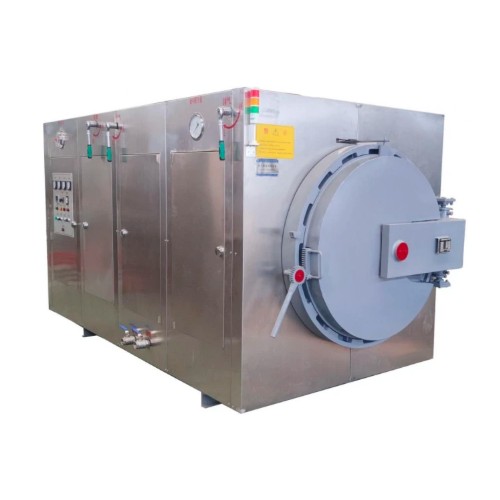
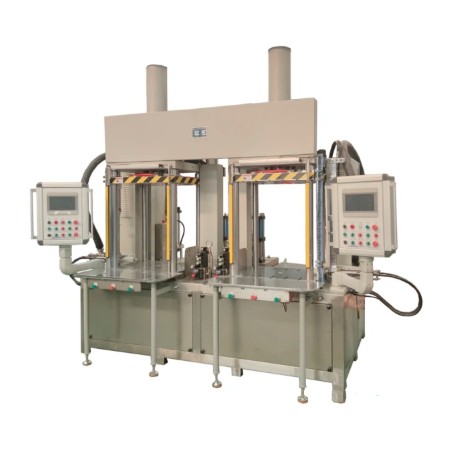
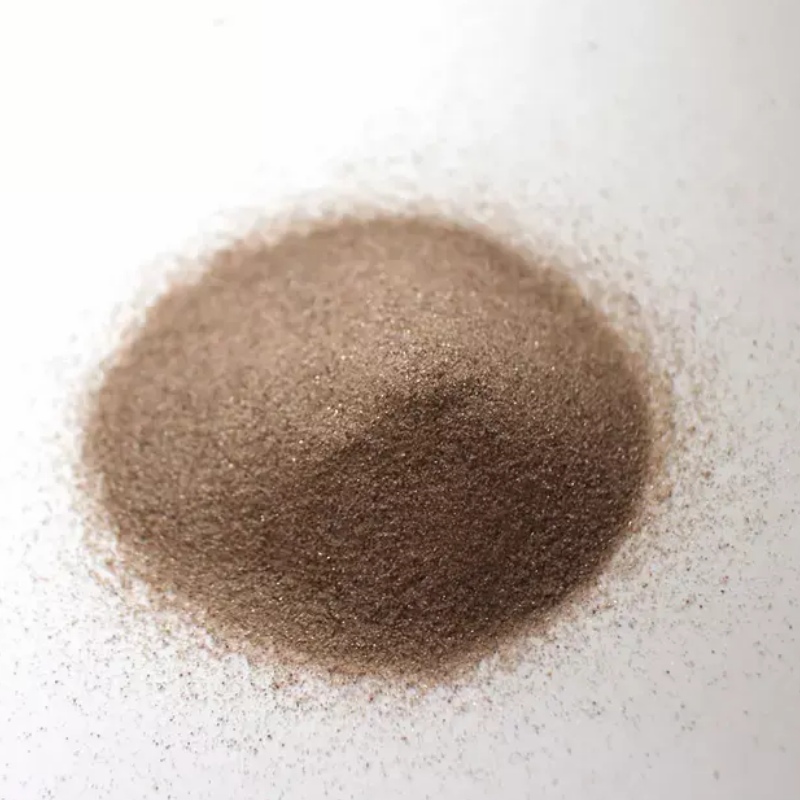
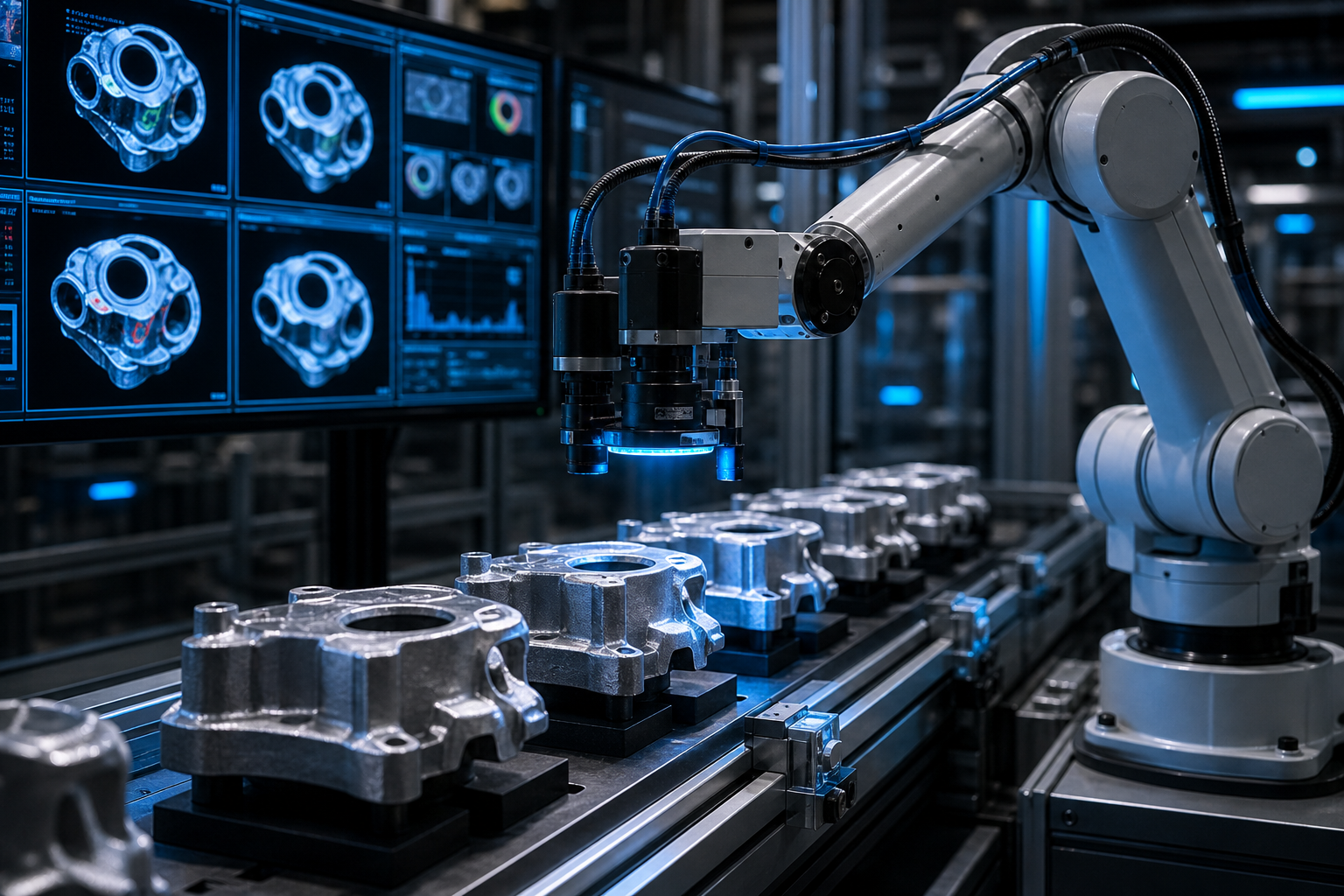
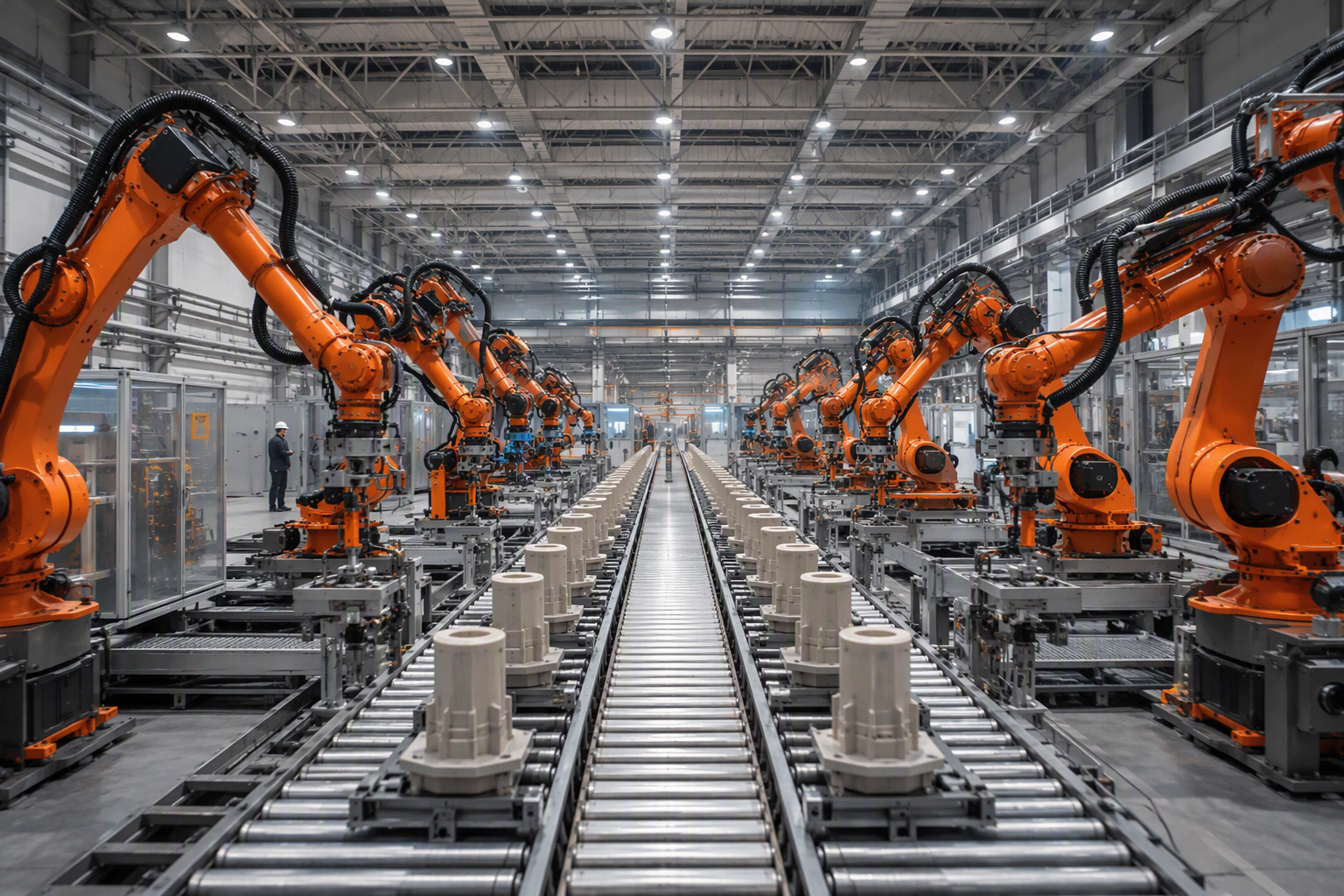
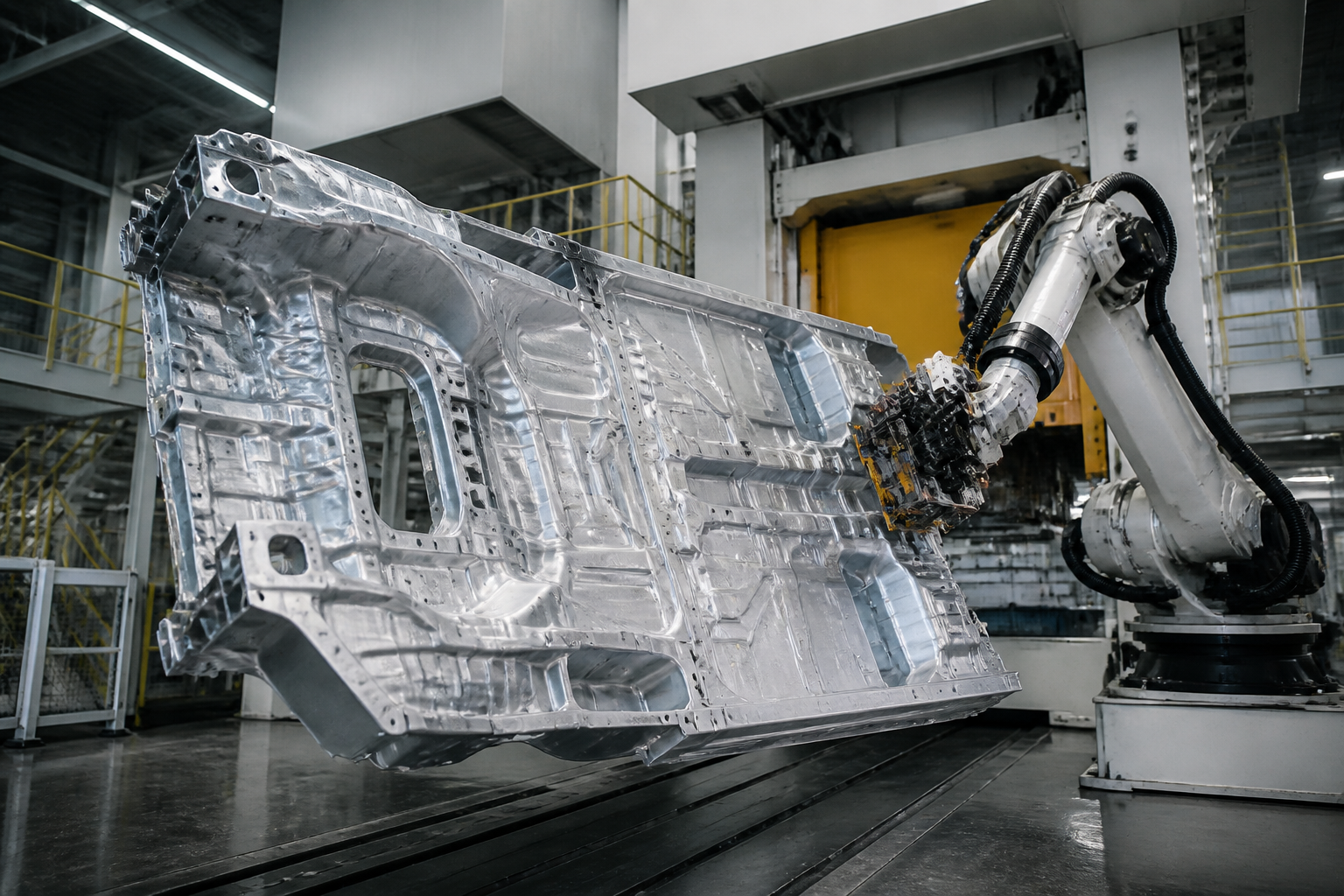
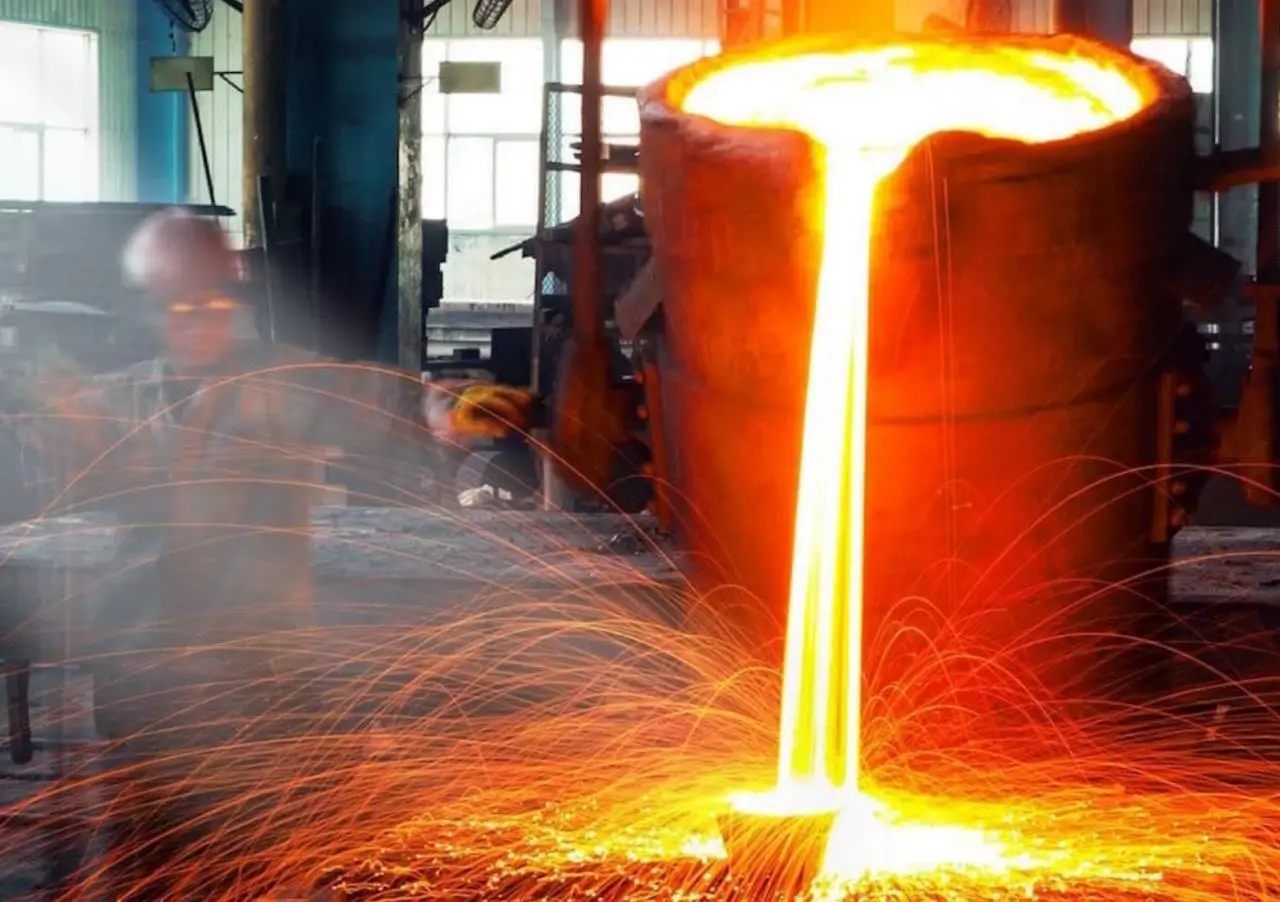
Additive manufacturing is deeply transforming the wax pattern stage of traditional investment casting. Industry data shows that combining 3D printing with precision casting can shorten metal component production lead times by roughly 40%, supporting materials such as stainless steel and titanium alloys for aerospace and automotive tooling applications. 3D Systems notes that combining topology optimization with additively manufactured casting patterns enables "digital casting" that responds to customers' lightweighting needs, including electric vehicle manufacturers. Domestic players have also introduced binder-jetting (3DP) wax pattern solutions that need no tooling or support structures, further lowering costs for small-batch production.
Industry consensus is that "3D printing + precision casting" makes rapid prototyping of complex internal cavities and thin-wall castings practical, and is becoming the standard path for R&D iteration of high-end castings.
We use cookies to offer you a better browsing experience, analyze site traffic and personalize content. By using this site, you agree to our use of cookies.Privacy Policy