What Is a Wax Injection Machine and Why Does It Matter?
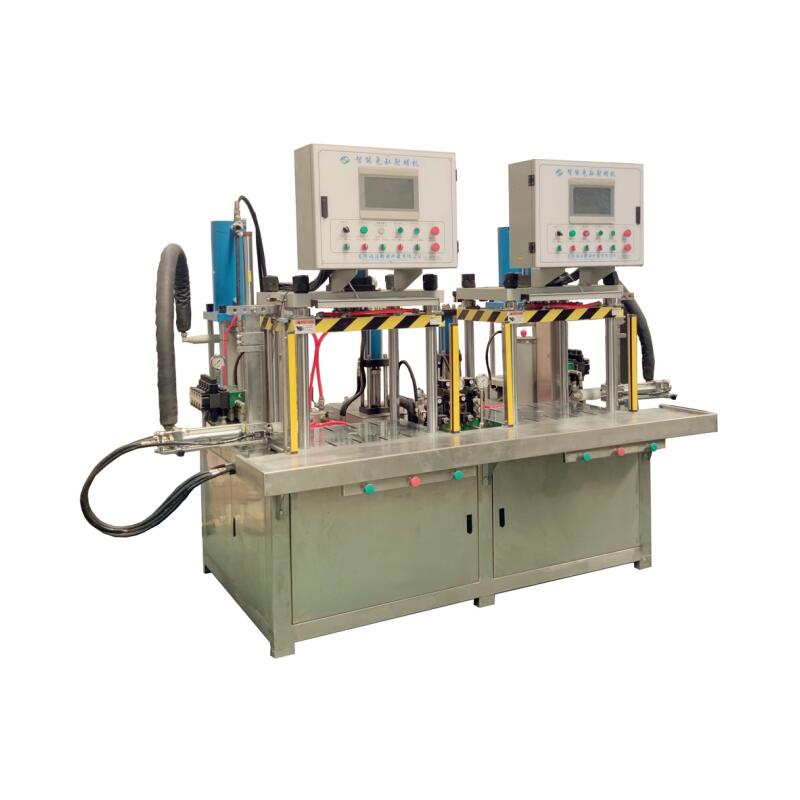
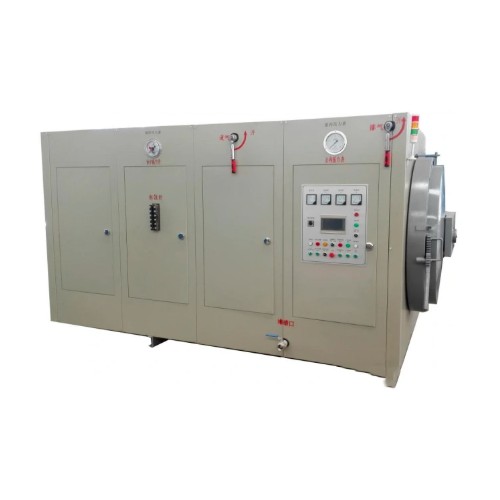
Wax Injection Machine is a fundamental piece of industrial equipment designed to produce precise wax patterns through the injection of molten wax into molds. In this comprehensive guide, we’ll explore what it is, how it works, its industrial relevance, common questions, and why companies like Jar Hing Products Co.,Ltd. are leading suppliers in the field.
📌 Article Summary
This article answers critical questions about Wax Injection Machines, covering their functionality, benefits, types, applications in manufacturing (especially investment casting), maintenance considerations, and how they compare to alternative technologies. In addition, a rich FAQ section clarifies common concerns and provides in-depth insights for prospective buyers and industry professionals.
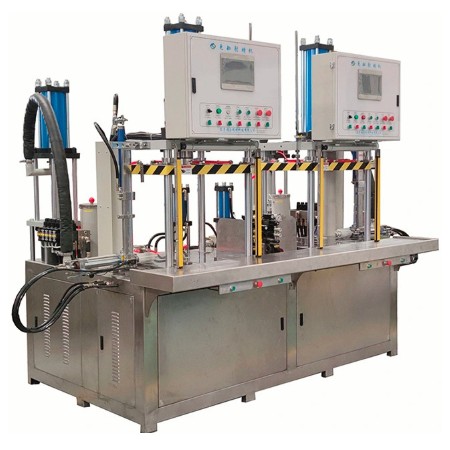
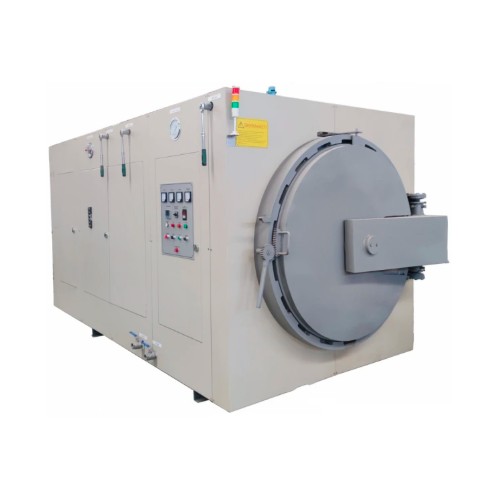
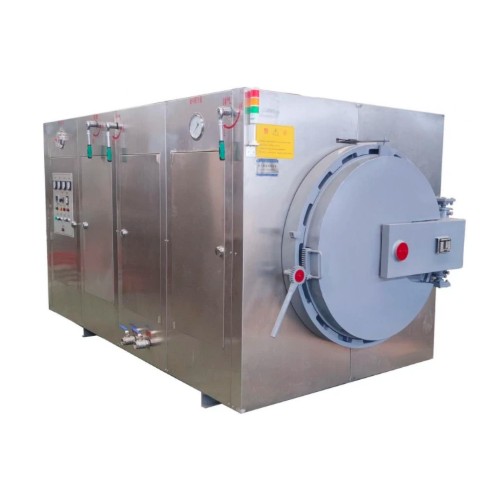
A Wax Injection Machine is specialized manufacturing equipment used to inject heated, molten wax into precision-engineered molds to create detailed wax patterns. These wax patterns often serve as intermediates in manufacturing processes such as investment casting, lost wax casting, and precision mold making.
Jar Hing Products Co.,Ltd. provides industrial-grade wax injection machines designed for high accuracy, repeatability, and performance in diverse applications.
❓ How Does a Wax Injection Machine Work?
The operation of a wax injection machine involves a series of mechanical and thermal steps:
Heating: Solid wax is heated into a molten state using thermostatically controlled chambers.
Injection: Molten wax is injected into pre-designed molds under regulated pressure.
Cooling: Wax solidifies inside mold cavities to take precise shape.
Release: The hardened wax patterns are released from molds for further processing.
These steps ensure consistent pattern quality, critical for downstream casting or manufacturing steps.
❓ Why Use a Wax Injection Machine?
Wax injection machines are used because they enable:
High precision in pattern creation
Reproducibility across large batches
Compatibility with intricate mold designs
Integration with automated production lines
They are essential in industries where pattern consistency and geometric accuracy is non-negotiable.
❓ What Types of Wax Injection Machines Exist?
Wax injection machines can be categorized into several types based on capacity, operation mode, and application. Below is a comparative table for quick understanding:
Machine Type
Key Features
Typical Use
Manual Wax Injection Machine
Operator-controlled injection
Low-volume production
Semi-Automatic Wax Injection Machine
Assists with injection, partial automation
Medium production lines
Automatic Wax Injection Machine
Fully automated process
High-volume industrial use
Multi-Cavity Wax Injection Machine
Injects into multiple molds simultaneously
Mass production
Companies like Jar Hing Products Co.,Ltd. offer a range of models across these categories to suit diverse industrial needs.
❓ What Are the Key Benefits of Wax Injection Machines?
Using a wax injection machine provides several advantages including:
Precision: Ability to produce complex and accurate shapes repeatedly.
Efficiency: Faster pattern production than hand-crafted alternatives.
Consistency: High-quality output regardless of production volume.
Cost-effectiveness: Reduced labor costs and minimized waste.
Scalability: Suitable for small to large-scale industrial requirements.
❓ Which Industries Use Wax Injection Machines?
Wax injection machines are widely deployed in industries including:
Aerospace: For precision components requiring minimal deviation
Automotive: For engine parts and structural elements via investment casting
Jewelry: Creation of detailed jewelry patterns before casting
Industrial Casting: Any sector relying on lost-wax casting
The adoption of these machines reflects a broader industry emphasis on quality, repeatability, and efficiency.
❓ What Maintenance Is Required for a Wax Injection Machine?
Routine cleaning of injection nozzles and chambers
Verification of temperature control systems
Inspection of hydraulic and pneumatic systems
Periodic recalibration of injection pressure and timing
Professional suppliers like Jar Hing Products Co.,Ltd. provide documentation and support for maintenance best practices.
❓ Frequently Asked Questions
What is a wax injection machine used for?
A wax injection machine is used primarily to inject molten wax into mold cavities to form detailed wax patterns. These patterns are essential in investment casting and other precision manufacturing processes where exact replication of a design is required.
How does a wax injection machine differ from traditional molding?
Unlike traditional molding, wax injection machines utilize controlled temperature and pressure to ensure uniform wax distribution into molds, resulting in superior detail, repeatability, and production efficiency compared to manual methods.
Can any industry use a wax injection machine?
While most common in investment casting and jewelry manufacturing, wax injection machines are versatile and used wherever precise pattern creation is needed, including automotive, aerospace, and industrial components sectors.
What should I consider when buying a wax injection machine?
Key factors include production volume, pattern complexity, automation level, machine durability, manufacturer support, and integration with existing workflows. Companies like Jar Hing Products Co.,Ltd. provide tailored solutions based on need.
Is training required to operate a wax injection machine?
Yes, basic training ensures operators understand temperature settings, mold loading, maintenance needs, and safety protocols. Many suppliers, including Jar Hing Products Co.,Ltd., offer training and documentation.
📌 Conclusion
In summary, a Wax Injection Machine is a vital industrial asset capable of generating high-precision wax patterns at scale. With reputable suppliers like Jar Hing Products Co.,Ltd., you can upgrade your production capabilities with reliable, efficient equipment.
We use cookies to offer you a better browsing experience, analyze site traffic and personalize content. By using this site, you agree to our use of cookies.
Privacy Policy