Jar Hing Products Co.,Ltd.
News
HOME > News

What Maintenance Practices Extend the Service Life of a Wax Processing Machine?

2026-01-06 0 Leave me a message

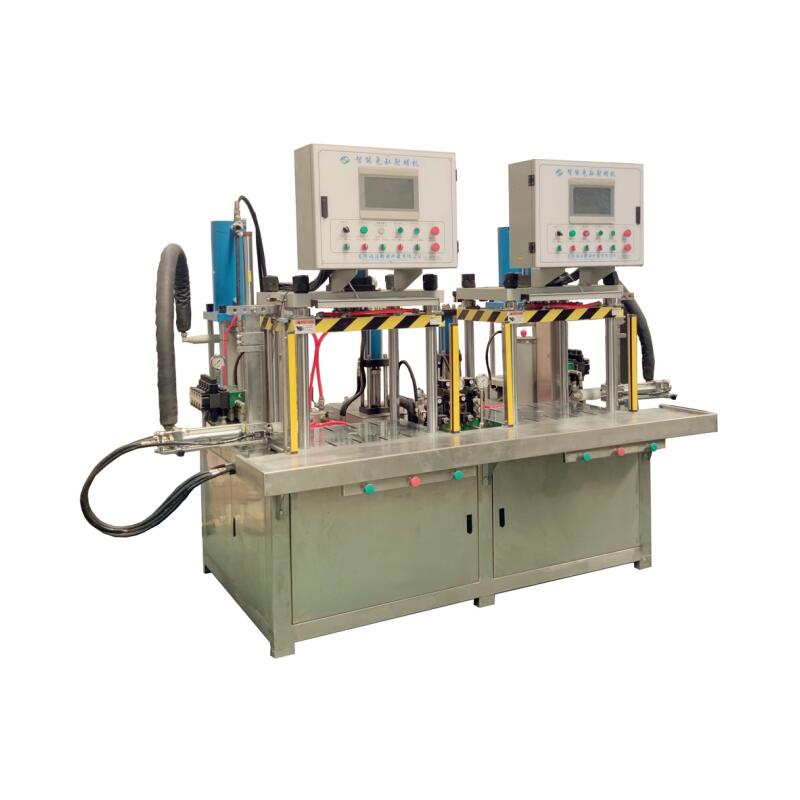
In industrial wax handling, long term equipment reliability directly impacts production efficiency, product consistency, and operational cost control. A well maintained Wax Processing Machine is not only a production asset but also a long term investment that supports stable output and predictable maintenance cycles. Many operators focus on initial specifications while overlooking daily and periodic maintenance practices that determine actual service life.


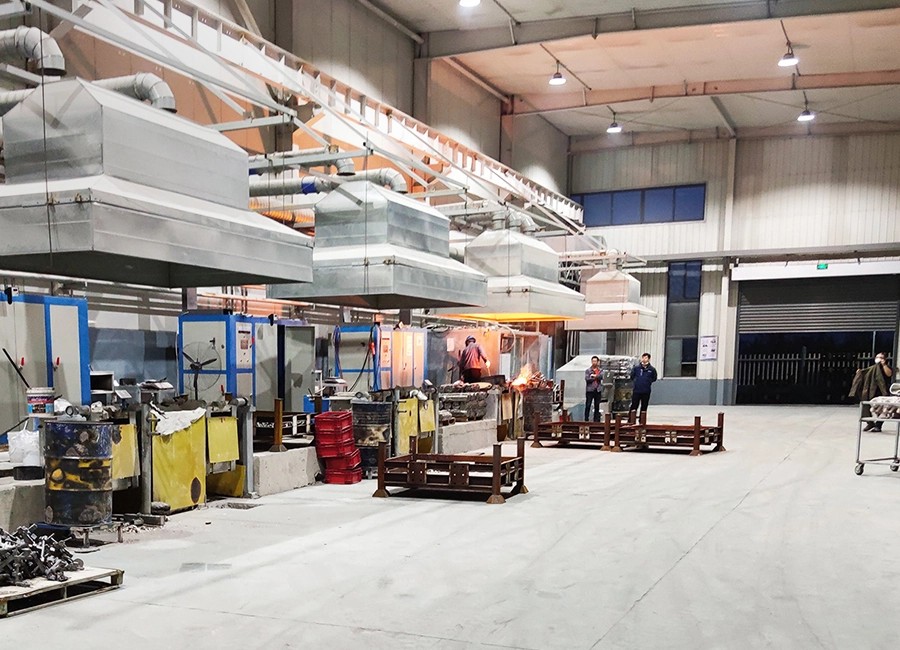
At Jar Hing Products Co.,Ltd., our experience in designing and manufacturing industrial wax systems has shown that correct maintenance routines can significantly extend equipment lifespan while reducing unplanned downtime. In our factory, every Wax Processing Machine is engineered with durability in mind, but its real performance depends on how it is operated, cleaned, inspected, and serviced over time. Our practical field data confirms that structured maintenance programs can increase operational life by years, not just months.


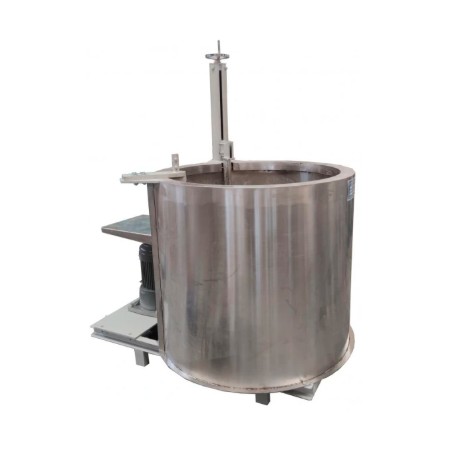
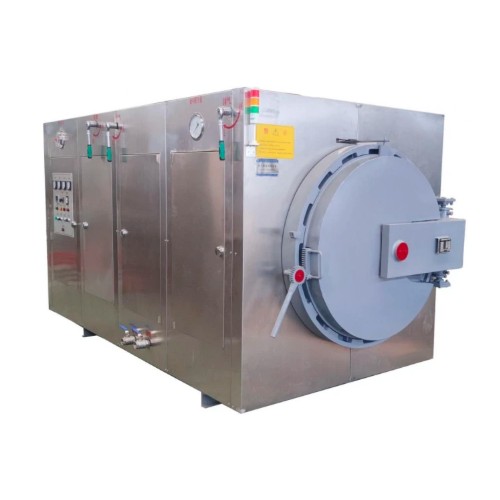
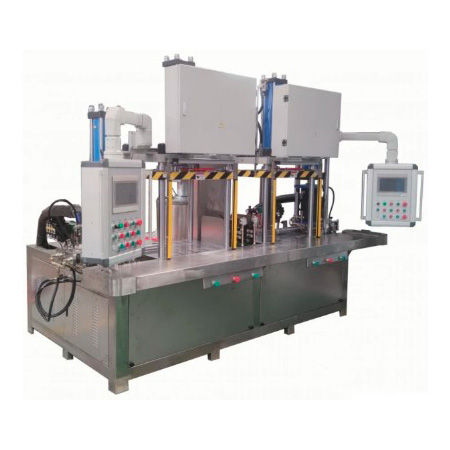
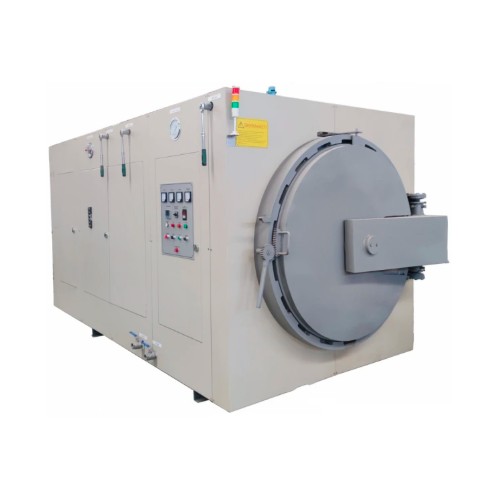
1000mm Mechanical Safety Interlock Dewaxing Kettle Machine


Table of Contents


What Are the Core Maintenance Principles for Wax Processing Equipment?

Understanding core maintenance principles is the starting point for extending the service life of any industrial Wax Processing Machine. Maintenance is not a single action but a systematic approach that integrates operational discipline, technical knowledge, and long term planning. When maintenance is treated as part of daily production rather than an occasional corrective task, equipment performance remains stable and predictable over many years.


At Jar Hing Products Co.,Ltd., our factory approaches maintenance from the perspective of lifecycle management. Every Wax Processing Machine is designed to operate under continuous thermal load, material flow pressure, and mechanical motion. The way these forces are managed through maintenance directly determines whether equipment achieves its designed lifespan or fails prematurely.


What Is a Wax Processing Equipment?

Wax processing equipment refers to an integrated industrial system used to melt, store, filter, transfer, and sometimes dose wax materials in a controlled manner. A Wax Processing Machine is commonly applied in industries such as candle manufacturing, packaging, cosmetics, food coating, pharmaceuticals, and industrial surface treatment. Its purpose is to ensure wax is handled at precise temperatures and flow rates while maintaining material purity and consistency.


A standard Wax Processing Machine typically includes several interconnected subsystems:

  • Melting tank with heating elements to liquefy solid wax
  • Temperature control system to maintain stable thermal conditions
  • Pump and pipeline system to transport molten wax
  • Filtration components to remove impurities
  • Control panel for monitoring and adjustment


From a maintenance perspective, wax processing equipment must be viewed as a complete system rather than isolated parts. A failure in one subsystem often places additional stress on others. For example, unstable temperature control can increase pump load, while contaminated wax can accelerate seal wear. Our factory emphasizes this system based understanding when advising customers on long term equipment care.


Why Do Core Maintenance Principles Matter?

Core maintenance principles exist to control the three main stress factors affecting wax processing equipment: thermal stress, mechanical stress, and chemical contamination. Ignoring any of these elements leads to gradual performance degradation that may not be immediately visible but accumulates over time.

Thermal stress arises from repeated heating and cooling cycles. Mechanical stress comes from continuous pump operation and material movement. Chemical stress results from wax oxidation, additives, and environmental contaminants. Effective maintenance balances all three.


At Jar Hing Products Co.,Ltd., our factory defines core maintenance principles as guidelines that ensure:

  • Operating conditions remain within design limits
  • Components wear evenly rather than failing suddenly
  • Performance deviations are detected early
  • Maintenance actions are planned, not reactive


When these principles are consistently applied, a Wax Processing Machine can maintain stable output quality while reducing long term repair costs.


How Does Thermal Stability Form the Foundation of Maintenance?

Thermal stability is the most critical maintenance principle for wax processing equipment. Wax must be heated to specific temperatures to achieve proper viscosity without degrading material quality or stressing equipment components. Temperature fluctuations accelerate metal fatigue, damage seals, and reduce heating element efficiency.


Maintaining thermal stability involves more than setting a target temperature. It requires:

  • Regular calibration of temperature sensors
  • Inspection of heating elements for uneven output
  • Verification of insulation integrity
  • Monitoring warm up and cool down cycles


In our factory testing, we observe that machines with stable thermal profiles experience significantly less internal stress. Jar Hing Products Co.,Ltd. designs each Wax Processing Machine with precise temperature control systems, but long term accuracy depends on regular maintenance checks performed by operators.


Thermal stability also supports wax quality. Overheating can cause oxidation or color change, while underheating increases viscosity and pump load. By maintaining consistent temperatures, operators protect both the equipment and the final product.


How Does Mechanical Balance Influence Equipment Longevity?

Mechanical balance refers to the smooth and aligned operation of moving components such as pumps, motors, valves, and couplings. Even minor misalignment or imbalance increases friction, vibration, and energy consumption. Over time, this leads to bearing failure, seal leakage, and motor overload.


Key mechanical maintenance practices include:

  • Routine lubrication of bearings and moving parts
  • Alignment checks for pump and motor assemblies
  • Monitoring vibration and abnormal noise
  • Inspecting fasteners and mounting structures


Our factory emphasizes vibration monitoring as an early diagnostic tool. A Wax Processing Machine often provides warning signs before failure occurs. Subtle changes in sound or movement usually indicate developing issues that can be corrected with minimal downtime if addressed promptly. JH PRODUCTS incorporates modular mechanical design to simplify inspection and adjustment. This allows maintenance teams to maintain balance efficiently without dismantling the entire system.


Why Is Contamination Control a Core Maintenance Principle?

Contamination control is essential because wax acts as both a product and a medium that contacts internal machine surfaces. Contaminants such as dust, degraded wax residue, or foreign particles accelerate wear and reduce processing efficiency.


Effective contamination control involves:

  • Scheduled internal cleaning of tanks and pipelines
  • Regular replacement or cleaning of filters
  • Sealing inspections to prevent external ingress
  • Controlled material handling during wax loading


In our factory, contamination prevention is validated during final assembly and testing. However, long term effectiveness depends on how operators maintain cleanliness during daily production. A clean internal environment reduces friction, stabilizes heat transfer, and extends component life across the entire Wax Processing Machine.


How Do Maintenance Records Support Long Term Performance?

Documentation is an often overlooked but critical maintenance principle. Accurate maintenance records transform individual actions into a long term performance strategy. Without records, recurring issues may go unnoticed, and maintenance becomes inconsistent.


Recommended documentation practices include:

  • Recording inspection results and measurements
  • Logging part replacements and service dates
  • Tracking operating hours and temperature trends
  • Reviewing historical data during annual servicing


Jar Hing Products Co.,Ltd. encourages customers to treat maintenance data as an operational asset. In our factory support programs, historical records are used to optimize maintenance intervals and predict future service needs. This data driven approach allows a Wax Processing Machine to operate closer to its optimal design conditions throughout its lifecycle.


How Do Routine Cleaning and Wax Residue Control Affect Machine Longevity?

Wax residue is one of the most underestimated factors affecting the lifespan of a Wax Processing Machine. Over time, residual wax can oxidize, harden, and trap contaminants, leading to restricted flow paths, uneven heating, and excessive load on pumps and motors.

In our factory testing environments, we observe that machines with inconsistent cleaning schedules show earlier signs of thermal imbalance and mechanical strain. Routine cleaning is not simply a hygiene practice but a core longevity strategy supported by operational data.


Effective cleaning practices focus on three critical zones:

  • Melting tanks and heating chambers
  • Transfer pipelines and valves
  • Filtration and dosing components

Cleaning should be performed using methods compatible with machine materials and wax chemistry. Mechanical scraping, controlled heating flush cycles, and approved cleaning agents all play roles depending on system design. Over aggressive methods can damage stainless surfaces or seals, shortening service life.


Jar Hing Products Co.,Ltd. recommends adopting a standardized cleaning protocol that includes:

  • Scheduled partial wax draining before full solidification
  • Low temperature flush cycles to remove residual buildup
  • Visual inspection of internal surfaces after cleaning
  • Replacement of filters when pressure differentials increase


The following table outlines typical cleaning impacts observed in long term operation.

Cleaning Practice Observed Benefit Impact on Service Life
Regular tank cleaning Stable melting efficiency Reduced thermal stress
Pipeline residue removal Consistent wax flow Lower pump wear
Filter maintenance Clean material delivery Extended component lifespan


Our experience shows that consistent cleaning can extend the operational lifespan of a Wax Processing Machine by reducing secondary damage caused by residue related inefficiencies. In our factory, cleaning procedures are validated during final testing to ensure they are practical for real world production lines.


Why Are Mechanical and Thermal Inspections Critical Over Time?

Mechanical and thermal inspections are essential because wax processing equipment operates under repeated heating and cooling cycles. These cycles gradually affect structural integrity, alignment, and electrical performance. Without routine inspections, minor deviations can evolve into major failures. Jar Hing Products Co.,Ltd. integrates inspection friendly design into our Wax Processing Machine systems. Our factory emphasizes accessible components, modular assemblies, and clear inspection points to simplify routine checks.


Key mechanical inspection areas include:

  • Pump alignment and bearing condition
  • Motor coupling and vibration levels
  • Valve sealing surfaces and actuation mechanisms
  • Structural fasteners and mounting stability


Thermal inspections focus on:

  • Heating element efficiency and uniformity
  • Temperature sensor accuracy
  • Insulation integrity
  • Control system response stability


Regular inspections allow operators to identify abnormal trends early. A slight increase in heating time or pump noise often signals developing issues. Addressing these early reduces repair costs and prevents unexpected downtime.


Below is a simplified inspection reference for long term operation.

Inspection Area Inspection Method Action if Deviation Found
Heating system Temperature stability check Calibrate or replace element
Pump assembly Noise and vibration monitoring Lubricate or replace bearings
Electrical controls Signal response testing Adjust parameters or wiring


Our factory inspection guidelines are based on long term performance testing and customer feedback. By following these practices, operators can preserve system balance and protect the core structure of a Wax Processing Machine across extended service periods.


How Should Operators Manage Wear Parts and Consumables?

Effective management of wear parts and consumables is a decisive factor in extending the service life of a Wax Processing Machine. While major structural components are designed for long term use, wear parts are intentionally exposed to thermal cycles, friction, pressure, and chemical interaction with molten wax. If these parts are neglected, their gradual degradation can trigger secondary failures that affect the entire system.


At Jar Hing Products Co.,Ltd., our factory treats wear part management as a strategic maintenance discipline rather than a reactive replacement task. Our experience shows that systematic planning, correct part selection, and accurate replacement timing significantly reduce downtime and protect core equipment value.


What Are Considered Wear Parts and Consumables in Wax Processing Equipment?

Wear parts and consumables are components that naturally degrade over time due to direct exposure to operating conditions. In a Wax Processing Machine, these parts play critical roles in sealing, filtering, heating, and material transfer.


Common wear parts include:

  • Seals and gaskets exposed to heat and molten wax
  • Filters used for impurity removal
  • Pump bearings and internal pump elements
  • Heating elements subject to thermal cycling
  • Valves and valve seats in frequent operation zones

Consumables may also include cleaning agents, lubricants, and insulation materials that support safe and stable operation. Although individually inexpensive, these items collectively determine how smoothly the Wax Processing Machine performs over time. Our factory designs each system so that wear parts are accessible and replaceable without disturbing major assemblies. This design philosophy supports preventive maintenance and minimizes service interruptions.


Why Does Proactive Replacement Matter More Than Reactive Repair?

Reactive repair occurs after a component has already failed, often causing collateral damage. In contrast, proactive replacement focuses on timing part changes before failure occurs. This approach protects surrounding components and maintains consistent operating conditions. For example, a degraded seal may initially cause minor leakage. If ignored, the leakage can contaminate insulation, damage heating elements, or introduce air into the wax flow path. A simple seal replacement performed early prevents a chain reaction of failures.


At Jar Hing Products Co.,Ltd., our factory maintenance guidelines emphasize early intervention based on operating hours, temperature exposure, and historical performance data. This reduces emergency downtime and supports stable production planning.


Key benefits of proactive replacement include:

  • Reduced risk of unplanned shutdowns
  • Lower overall repair costs
  • Extended lifespan of non wear components
  • Improved production predictability

How Should Operators Establish Replacement Cycles?

Replacement cycles should be determined by a combination of manufacturer recommendations, real operating conditions, and historical data. Fixed calendar based replacement alone is often insufficient, especially in variable production environments.


Our factory recommends defining replacement cycles using the following criteria:

  • Total operating hours
  • Average and peak operating temperatures
  • Wax type and viscosity
  • Frequency of start stop cycles
  • Environmental conditions such as dust and humidity


Below is an example of typical replacement cycle guidance used for a standard Wax Processing Machine in continuous operation.

Component Typical Replacement Interval Primary Risk If Delayed
Seals and gaskets 6 to 12 months Leakage and contamination
Filters 3 to 6 months Restricted flow and pump overload
Pump bearings 12 to 24 months Vibration and motor damage
Heating elements As performance declines Uneven heating and thermal stress


Jar Hing Products Co.,Ltd. supports customers by adjusting these cycles based on actual usage data. Our factory often reviews operating records to refine replacement timing for each Wax Processing Machine configuration.


Why Is Using Correct Specification Parts Essential?

Using correct specification parts is critical to maintaining system balance. Even small deviations in material grade, dimensional tolerance, or thermal resistance can disrupt performance and accelerate wear elsewhere in the system. Incorrect seals may harden prematurely, filters may collapse under heat, and heating elements may produce uneven output. These issues often appear gradually, making them difficult to diagnose until significant damage has occurred.


Our factory supplies parts engineered specifically for each Wax Processing Machine model. These parts are tested under real operating conditions to ensure compatibility with wax chemistry, temperature range, and mechanical load.


Key reasons to use correct specification parts include:

  • Maintaining thermal and mechanical balance
  • Ensuring predictable wear behavior
  • Protecting warranties and service support
  • Reducing risk of secondary failures


Jar Hing Products Co.,Ltd. emphasizes that wear part management is not an area for cost cutting. The long term cost of using non standard components often exceeds any short term savings.


How Can Inventory Planning Improve Maintenance Efficiency?

Inventory planning ensures that critical wear parts are available when needed. Delayed replacement due to part shortages often forces operators to continue running equipment under compromised conditions.

Effective inventory planning includes:

  • Identifying critical wear parts with long lead times
  • Maintaining minimum stock levels based on usage rate
  • Aligning inventory with preventive maintenance schedules
  • Reviewing stock levels during annual maintenance

Our factory works with customers to establish recommended spare part lists for each Wax Processing Machine. This approach reduces emergency procurement and allows maintenance teams to act promptly when inspection results indicate replacement is needed.


How Do Records and Monitoring Support Wear Part Management?

Accurate records transform wear part management from guesswork into a controlled process. By tracking service life, failure modes, and replacement timing, operators gain insight into how their Wax Processing Machine behaves under real conditions.

Recommended monitoring and record keeping practices include:

  • Logging installation and replacement dates
  • Recording operating conditions at time of replacement
  • Noting visible wear patterns or anomalies
  • Reviewing trends during scheduled maintenance reviews

Jar Hing Products Co.,Ltd. encourages customers to integrate wear part data into broader maintenance documentation. In our factory support programs, this data is used to refine future machine designs and improve long term reliability.


Summary

Extending the service life of a Wax Processing Machine depends on disciplined maintenance practices that address thermal stability, mechanical balance, cleanliness, and component wear. Structured routines transform maintenance from a reactive task into a strategic operational advantage. Jar Hing Products Co.,Ltd. applies decades of manufacturing experience to ensure our factory delivers equipment that supports long term reliability when maintained correctly. By following proven cleaning, inspection, and replacement strategies, operators can protect performance, reduce downtime, and maximize return on investment.


If you are seeking a durable, service oriented Wax Processing Machine solution supported by practical maintenance expertise, our team is ready to assist with technical guidance, configuration support, and long term service planning. Contact us today to discuss how our factory can support your production goals.


about us


FAQ

Q1: What maintenance practice most directly affects the lifespan of a Wax Processing Machine?
Consistent temperature control combined with regular cleaning has the greatest impact because it reduces both thermal stress and mechanical load.

Q2: How often should a Wax Processing Machine be fully inspected?
A comprehensive inspection is recommended annually, with routine visual and functional checks performed weekly or monthly depending on usage intensity.

Q3: Why is wax residue buildup harmful to long term performance?
Residue restricts flow, causes uneven heating, and increases pump strain, which accelerates wear across multiple components.

Q4: Can improper replacement parts shorten machine service life?
Yes, non standard parts can disrupt system balance, leading to leakage, overheating, or mechanical misalignment.

Q5: How does preventive maintenance reduce total operating cost?
Preventive maintenance minimizes unplanned downtime, avoids secondary damage, and stabilizes long term repair and replacement expenses.

Related News
Leave me a message
X
We use cookies to offer you a better browsing experience, analyze site traffic and personalize content. By using this site, you agree to our use of cookies. Privacy Policy
Reject Accept